Curbs additive breakdown
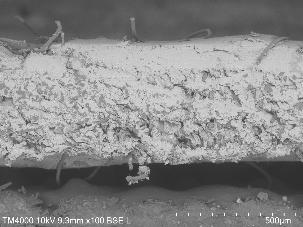
Sub-micron pore channels restrict brighteners and levelers from reaching the anode surface, cutting oxidative loss.
Lower plating cost. Higher deposit quality. Engineered on a polyphenylene sulfide (PPS) substrate with uniform micro-nanopores, Zirmbrane® EP separates anode and cathode zones across soluble and insoluble anode baths.
Product Overview
Zirmbrane® EP divides copper, gold, nickel, and tin plating tanks into isolated anode and cathode compartments. Built from chemically stable PPS with tortuous micro-nanoporous channels, the neutral membrane conducts ions at low ohmic drop while blocking additive migration and anodic gas crossover.
Technical Data
Available in 500 μm and 200 μm nominal thicknesses for continuous and rack plating lines.
| Parameter | D500 | D200 |
|---|---|---|
| Membrane thickness (μm) | 500±50 | 200±20 |
| Average pore size I (μm) | ≤0.1 | ≤0.12 |
| Membrane polarity | Neutral | Neutral |
| Area resistance II (Ω·cm²) | ≤0.9 | ≤0.8 |
| Area resistance III (Ω·dm²) | ≤0.007 | ≤0.005 |
| Water permeability IV (s/ml/13.8cm²) | ≥10 | ≥10 |
| Max. width (m) | 1.8 | 1.5 |
Choose D500 (500±50 μm, up to 1.8 m wide) for wide-format tanks and higher structural rigidity. Choose D200 (200±20 μm, ≤0.8 Ω·cm² in NaCl / ≤0.005 Ω·dm² in H₂SO₄) for tight electrode spacing where minimum voltage drop matters.
Partitioning Mechanism
Positioned between electrodes, the diaphragm lets metal and supporting ions cross freely while retaining oxygen bubbles, anode slime, and expensive organic brighteners inside their own chambers.
Sub-micron pore channels restrict brighteners and levelers from reaching the anode surface, cutting oxidative loss.
Prevents anodic oxygen microbubbles and anode sludge from migrating onto the cathode workpiece, reducing pinholes and roughness.
Uniform wetting keeps area resistance at ≤0.9 Ω·cm² in 20 wt.% NaCl, supporting stable cell voltage.
Key Advantages
Tuned for high-aspect-ratio electronics plating and continuous surface finishing where bath stability drives unit cost.
Area resistance ≤0.9 Ω·cm² (D500) and ≤0.8 Ω·cm² (D200) lowers bath voltage and DC power draw.
A mean pore size of ≤0.12 μm limits organic additive diffusion across the cell and reduces replenishment needs.
Keeps oxygen bubbles and particulate residue away from the cathode face, improving plating yield.
Suppresses additive cracking and fouling directly at the anode interface, protecting coated insoluble anodes.
The PPS polymer matrix resists strong acid electrolytes and continuous electrochemical stress.
Applications
Custom-slit widths for printed circuit board (PCB) electroplating and general metal finishing.
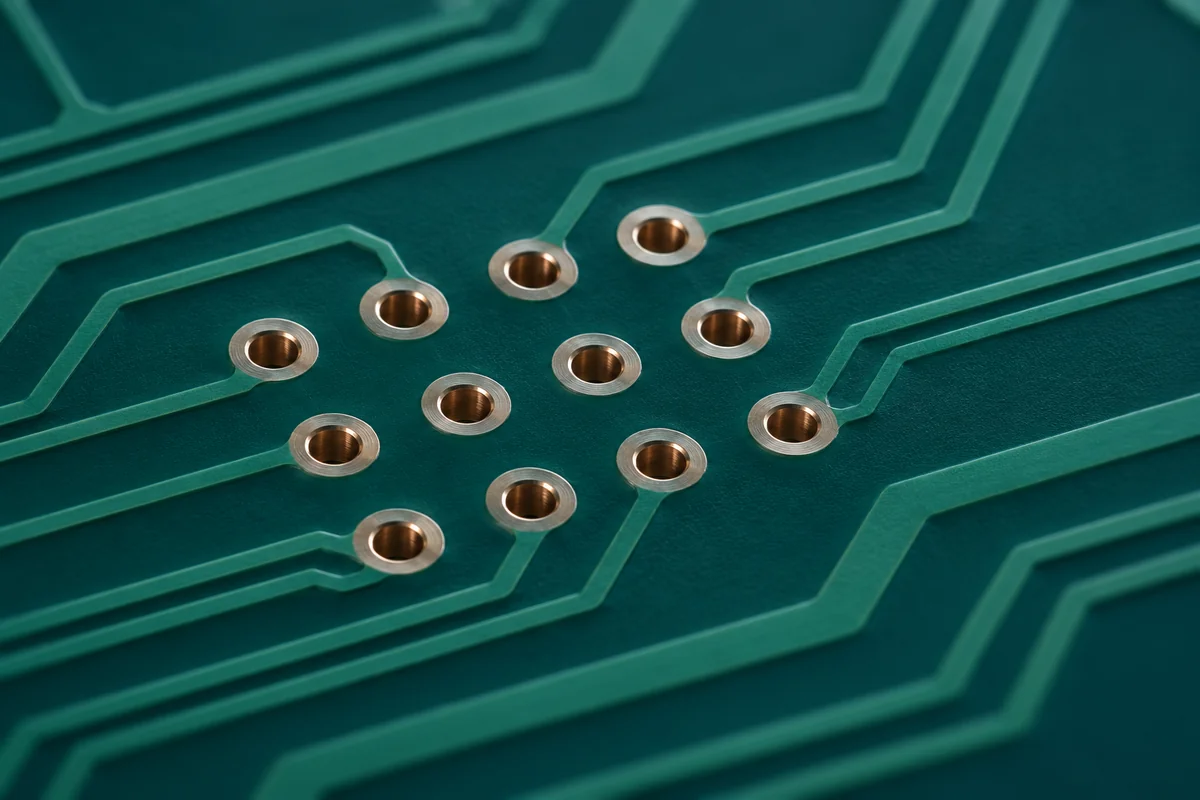
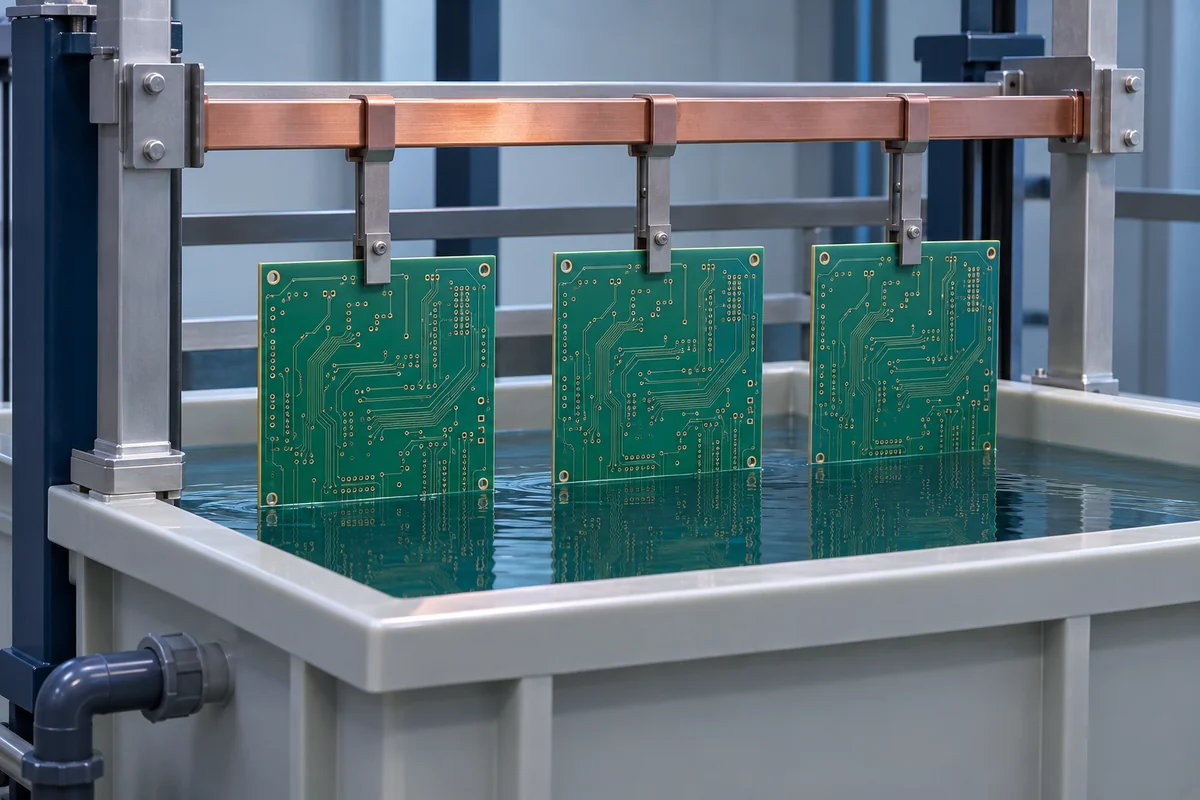
Works with both insoluble Ti anodes and phosphor-copper anodes to curb brightener and leveler oxidation.
Stabilizes precious-metal bath chemistry and reduces organic additive loss between replenishment cycles.
Retains anode sludge and fine particles on the anode side to prevent pitting and surface nodules.
Withstands acidic tin electrolytes while limiting Sn²⁺ oxidation and additive degradation.